- Joined
- Jun 27, 2017
- Messages
- 1,776
I recently reviewed Rescue 3's company journal from 5/7/47 to 4/6/48 similar to the 1944/1945 journal posted previously.
As a first installment, it might be useful to look at the historical antecedents and experience of the members on the 1947 company roster. The roster consisted of three officers and twenty-four firemen. With one interesting exception, all were appointed to the FDNY in the 1930's during The Great Depression. They all lived in the Bronx. So, they all were probably born before World War I and grew up in the Bronx- likely the South Bronx.
At that time, New York City was barely twenty years old. Cars and electricity were still kind of a novelty. People from "the old country" were easily found. Maybe an older brother would become a doughboy and see " Gay Paree " under command of General Pershing in The Great War. Neighbors remember the "General Slocum " fire and were still shocked by the sinking of the Titanic. That old-timer that lived on the block could have even have an underage member of the Grand Army of the Republic and saw the July, 1863 draft riots in Mid-town Manhattan.
In the early 1900's the population of the Bronx exploded with the expansion of rapid transit (first the IRT) starting in 1904. The concept of a commuter was born with the emptying of the Lower East Side and a huge influx of immigrants from Europe who still worked down in the City.
The Bronx population:
1904- 200,000
1910- 437,000
1930- 1,200,000
1950- 1,451,000
FDNY
10/1/20- two platoons start
12/20/23- last horse response
2/1/24- Bronx Central Office on East 180th Street opens
11/1/30- Assistant Chief "Smokey Joe" Martin retires
6/1/31- Rescue 3 established
3/1/37- three platoons start
 seeoldnyc.com
As a first installment, it might be useful to look at the historical antecedents and experience of the members on the 1947 company roster. The roster consisted of three officers and twenty-four firemen. With one interesting exception, all were appointed to the FDNY in the 1930's during The Great Depression. They all lived in the Bronx. So, they all were probably born before World War I and grew up in the Bronx- likely the South Bronx.
At that time, New York City was barely twenty years old. Cars and electricity were still kind of a novelty. People from "the old country" were easily found. Maybe an older brother would become a doughboy and see " Gay Paree " under command of General Pershing in The Great War. Neighbors remember the "General Slocum " fire and were still shocked by the sinking of the Titanic. That old-timer that lived on the block could have even have an underage member of the Grand Army of the Republic and saw the July, 1863 draft riots in Mid-town Manhattan.
In the early 1900's the population of the Bronx exploded with the expansion of rapid transit (first the IRT) starting in 1904. The concept of a commuter was born with the emptying of the Lower East Side and a huge influx of immigrants from Europe who still worked down in the City.
The Bronx population:
1904- 200,000
1910- 437,000
1930- 1,200,000
1950- 1,451,000
FDNY
10/1/20- two platoons start
12/20/23- last horse response
2/1/24- Bronx Central Office on East 180th Street opens
11/1/30- Assistant Chief "Smokey Joe" Martin retires
6/1/31- Rescue 3 established
3/1/37- three platoons start
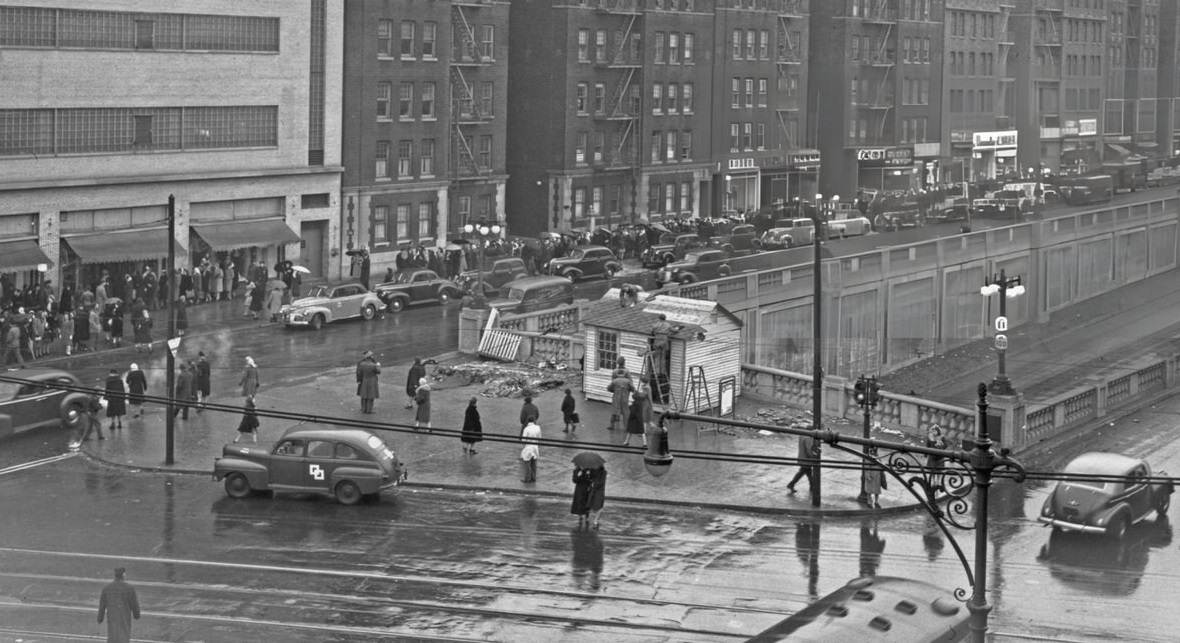
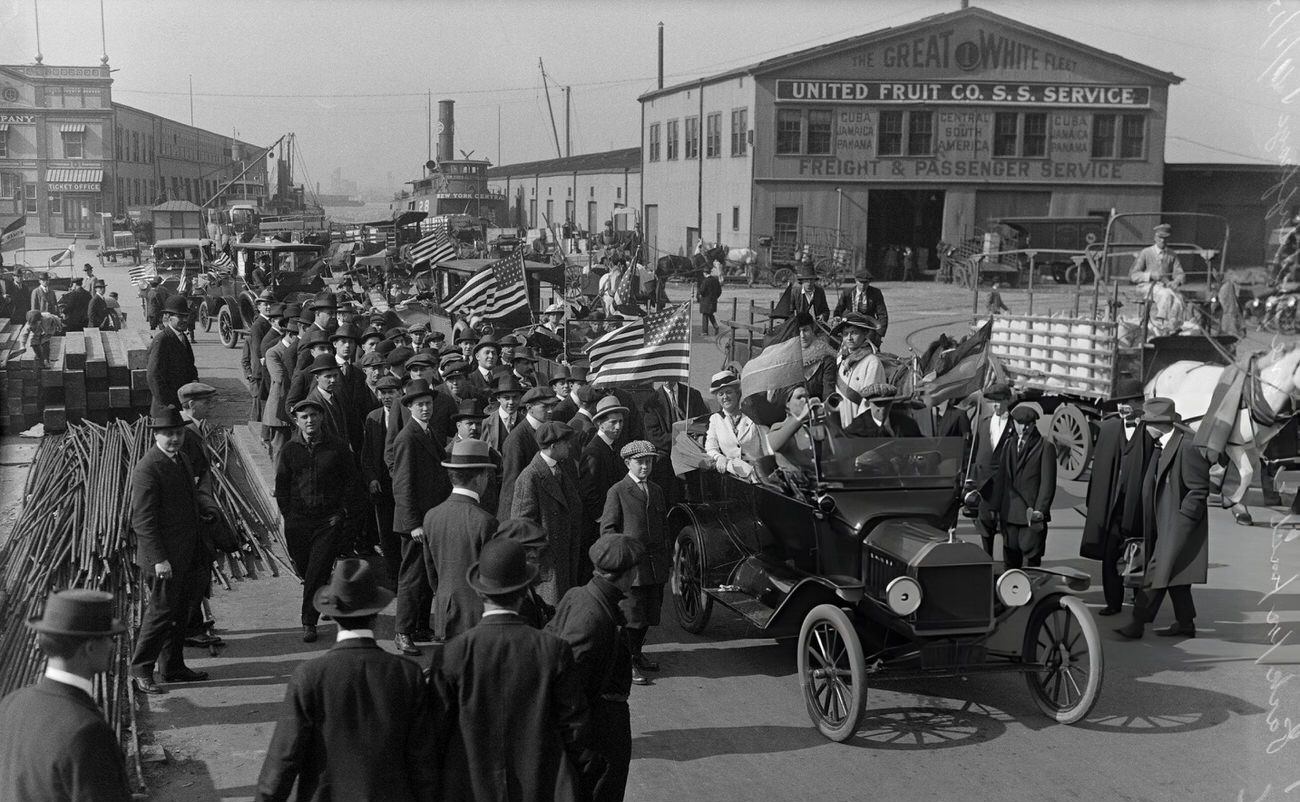
What the Bronx looked like in the 1910s through Fascinating Historical Photos
The 1910s marked a significant period of growth and change for the Bronx, a borough of New York City. This decade was characterized by rapid urbanization, demographic shifts, and substantial infrastructural development
seeoldnyc.com